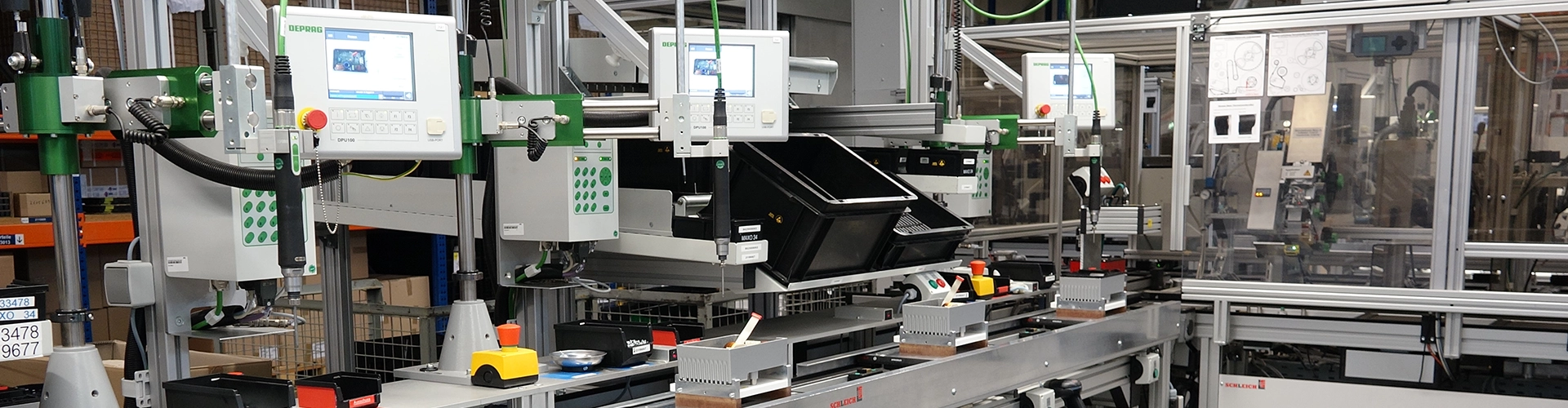
Production line
Installed Schleich systems belong in real production settings.

MDS and Schleich across North America
Move from a motor testing question to the right method, product fit, service path, and application conversation.
What are you testing?
Use the operating context first, then narrow the test method, product family, and support path.
Each route narrows what is being tested, which method fits, which product family belongs in the conversation, and what support context should be discussed.
Service / Support
Application guidance, service coordination, calibration planning, commissioning, training, parts, and repair stay visible before support distance becomes the objection.
Review supportFast route
Start with the motor, process, and support context so the next step leads to method fit, product routing, or MDS support.
Real-world context
Installed Schleich systems belong in real production settings.
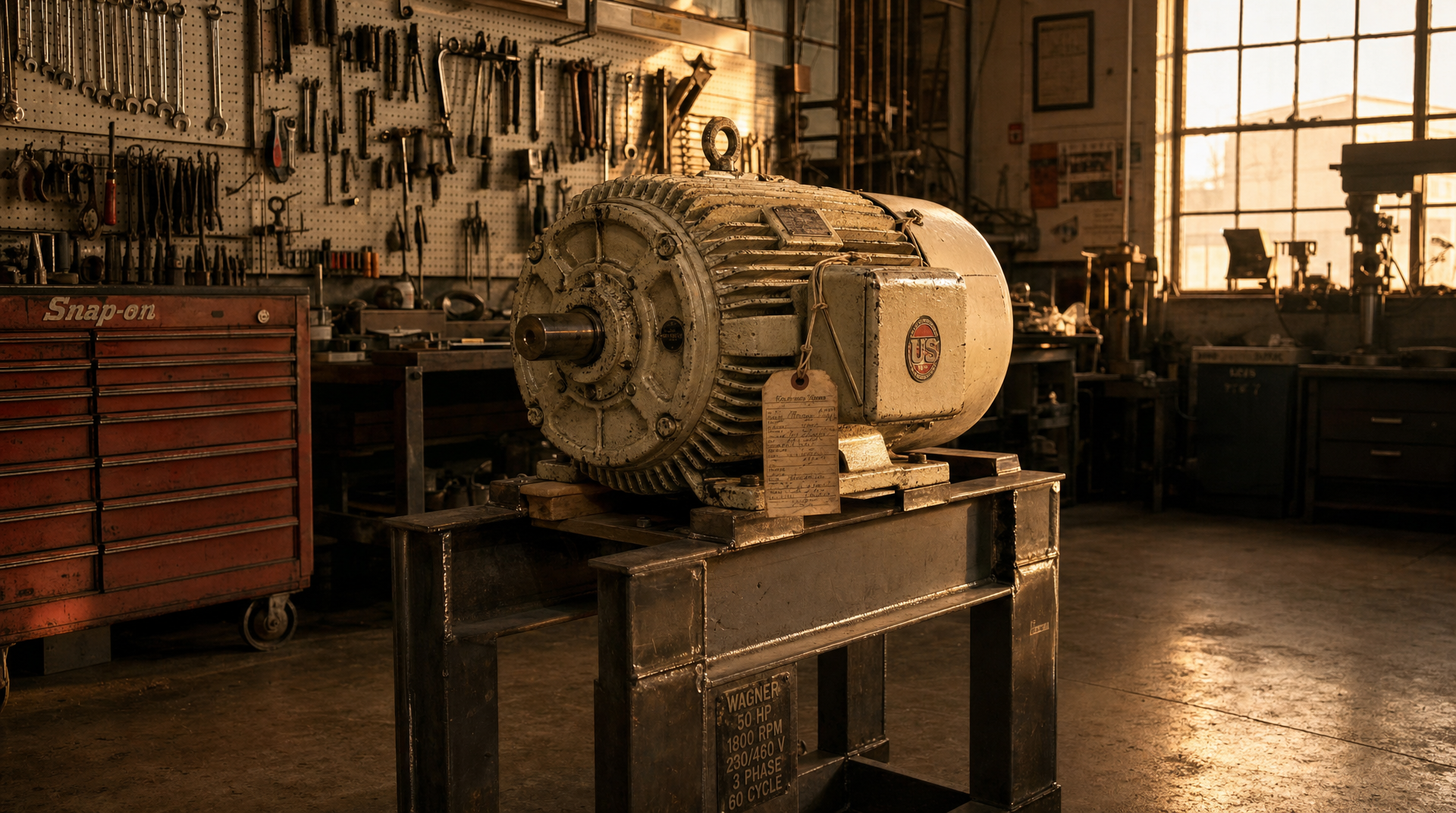
Repair and service routes connect to motors, benches, and shop workflow.
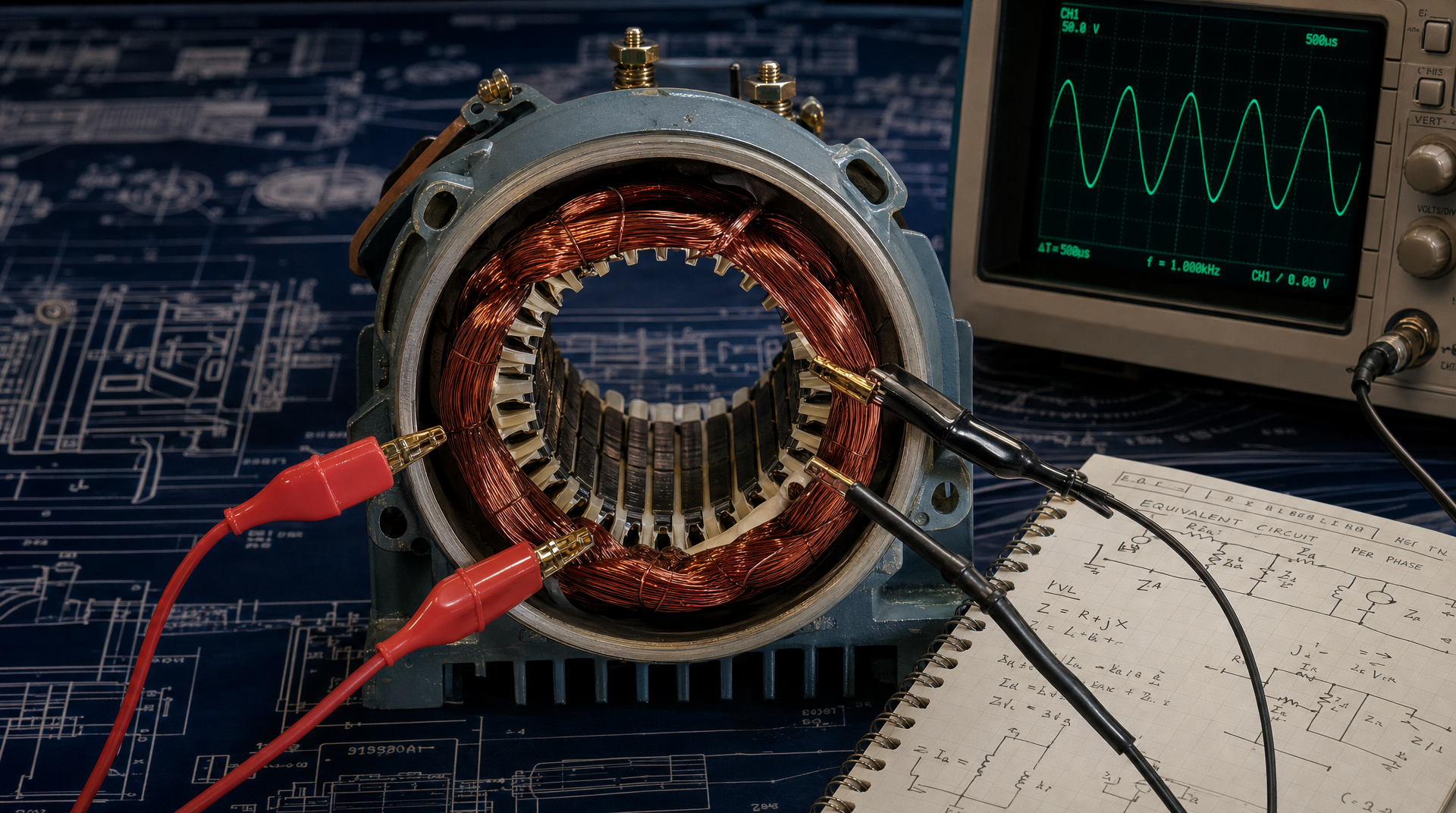
Technical routes stay grounded in windings, leads, instruments, and visible test work.
Application path
Clarify what is being tested, where the system will live, and which support question belongs in the conversation.
Start here
Each path begins with a different operational question, then moves into method fit, product routing, industry context, or North American support.
Engineers can compare fit, limits, and when a method needs application guidance.
Start with the process, then narrow to the right product family.
See how motor testing changes by operating context.
Resolve support questions before they slow the decision.
Trust standard
MDS leads with product routing, application fit, North American support, and test-method clarity while keeping stronger claims tied to approved evidence.
Common starting points
Use ev-specific motor testing to connect modern motor platforms, production quality, and technical validation with product fit, support planning, and the right application review.
Use end-of-line production testing to connect repeatable production testing, quality process, and operator workflow with product fit, support planning, and the right application review.
Use field predictive maintenance to connect reliability risk, service workflow, and defensible motor decisions with product fit, support planning, and the right application review.
Use warranty, service, and calibration to connect asset reliability, documentation, and support confidence with product fit, support planning, and the right application review.
Use surge testing to connect practical shop workflow, training, quote path, and product fit with product fit, support planning, and the right application review.