
How methods are chosen
Diagnostic settings make technical education easier to trust.


Resources
Use practical articles to orient method selection, production testing, support, and documentation conversations.
Real-world context
Diagnostic settings make technical education easier to trust.
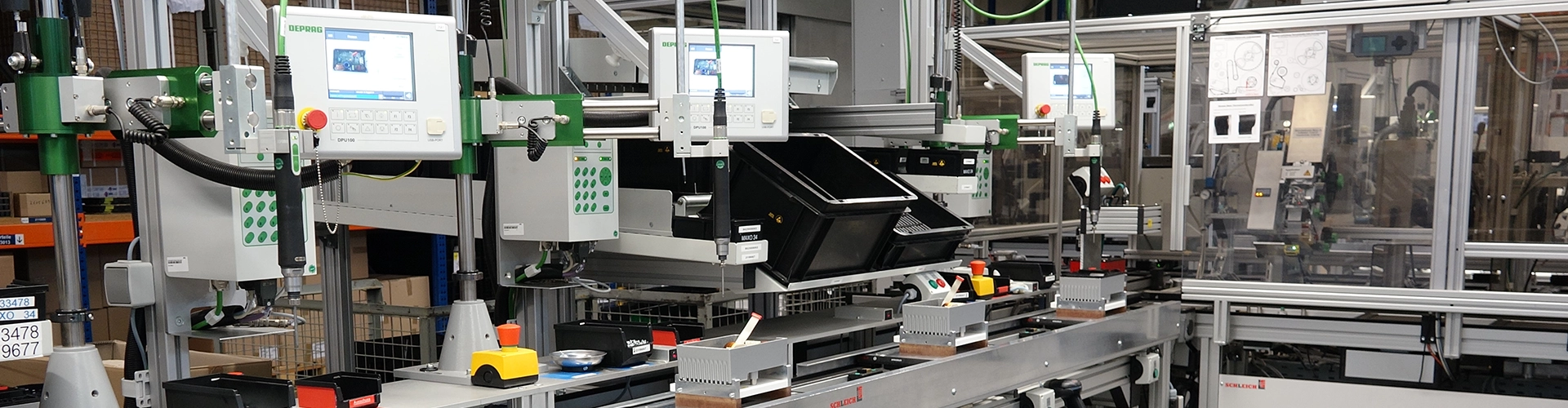
Production scenes connect OEM articles to actual line decisions.
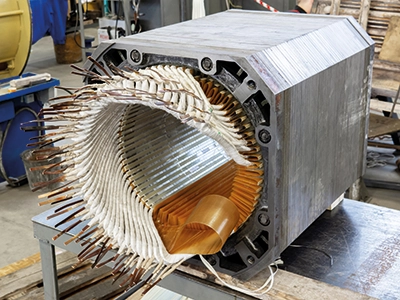
Service-context imagery connects support and calibration topics to the work.
Technical resources
Use these resources to orient method selection, production testing, North American support, and documentation conversations.
Start with the decision, lifecycle stage, operating context, and support need before choosing the method name.
Both can be technically important, but the right path depends on what the team needs to evaluate and what product fit is confirmed.
OEM teams need repeatability, operator workflow, quality documentation, and application fit before a product recommendation.
Support visibility matters because teams need confidence in service routing, calibration planning, training, and application guidance.
Documentation conversations work best when calibration needs, service routing, and records expectations are clarified early.