Use the test when the problem calls for it.
How winding and circuit measurements should fit into the diagnostic workflow.


Test method
Use resistance and motor circuit analysis language carefully, with product fit, measurement context, and method limits kept visible.
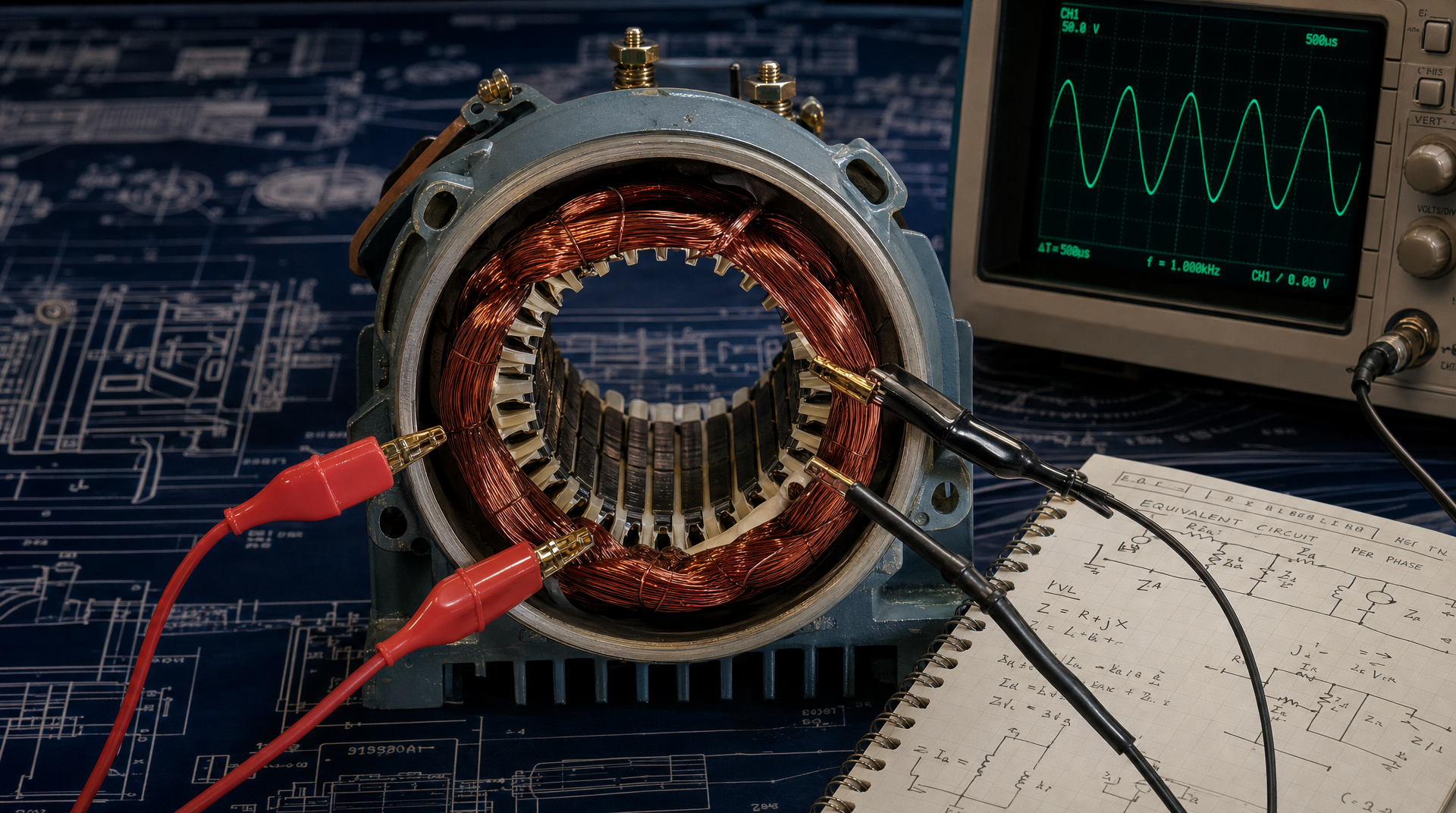
Test method
Use resistance and motor circuit analysis language carefully, with product fit, measurement context, and method limits kept visible. This guide gives teams enough context to understand the method, its limits, the product paths that may apply, and the industry-specific routes that go deeper.
It explains how winding and circuit measurements should fit into the diagnostic workflow while avoiding customer claims, financial-performance claims, performance guarantees, and product recommendations that require application review.
Quick knowledge
Use these points to decide whether the route is answering a method question, an industry question, a product-fit question, or a support question.
How winding and circuit measurements should fit into the diagnostic workflow.
MTC2 R7, MTC3, MotorAnalyzer3, and related service or production paths where measurement context is confirmed.
MCA terminology and third-party method implications need careful wording, so the conversation should stay with documented measurement language.
Use the industry matrix to move from broad method education into the operating environment that matches the work.
Method role
Resistance and motor circuit analysis is a decision aid, not a shortcut. Teams come to this topic because they need help with how winding and circuit measurements should fit into the diagnostic workflow. They need enough plain-English orientation to know whether the topic deserves a deeper application conversation.
The first principle is that the test method follows the problem. A resistance or circuit measurement can look simple, but the decision behind it may involve winding balance, temperature context, repair records, lead condition, and product capability. Start with the decision, then move into method fit, product paths, industry context, documentation, support, and limitations.
This method can apply across industries, but it does not apply the same way everywhere. A production team, repair shop, field service group, and advanced engineering reviewer will interpret resistance and motor circuit analysis through different workflows. Those differences should be visible before anyone assumes one explanation fits every team.
A useful method guide earns trust by saying what the method can help evaluate and what still needs review. That careful posture is more credible than guidance that sounds certain before it knows the motor, process, documentation need, and support expectation.
Decision context
Resistance and circuit checks support repair, service, engineering, and quality conversations when the measurement is connected to the asset and the decision being made. That point in the evaluation matters. If the reader is still identifying the problem, they need a clear method explanation. If they are already comparing systems, they need product fit. If they are preparing procurement or quality review, they need documentation and support language.
The practical bridge is education plus qualification. The reader should understand why the method matters, then see where the conversation becomes application-specific. The industry matrix turns one broad method into targeted next steps.
The guide also protects against false simplicity. Resistance and motor circuit analysis may be one phrase, but system selection may involve voltage class, asset type, line integration, shop workflow, running or de-energized state, operator training, records, service, and product configuration. Those details belong in the conversation before a recommendation hardens.
That structure helps teams ask a better question. Instead of asking whether MDS sells a tester, they can ask whether the method fits their operating environment and which product path deserves review.
Documented context
Schleich product information supports four-wire resistance, temperature compensation, and resistance testing as part of broader winding and motor workflows. This gives the conversation a factual backbone without leaning on customer-specific examples. Method purpose, general product families, and application fit can be discussed while sensitive claims stay out until approved.
The likely product paths include MTC2 R7, MTC3, MotorAnalyzer3, and related service or production paths where measurement context is confirmed. Those paths should be framed as conversations, not as final prescriptions. Product selection still depends on the motor, process, desired evidence, documentation expectations, and support model.
Adjacent methods matter as well. A team interested in resistance and motor circuit analysis may also need insulation resistance, partial discharge, resistance measurement, functional testing, running motor analysis, custom test cell planning, or calibration support. Those paths should stay visible because technical questions often start with one method and become a broader application conversation.
This technical context should be useful to engineers without turning into unsupported standards language. It can mention documented method context, but it should not imply compliance obligations, certification status, or customer-specific outcomes unless those claims are approved.
Industry fit matrix
Use this matrix to move from the broad topic into the industry-specific page that matches the actual motor testing environment.
Limits
MCA terminology and third-party method implications need careful wording, so the conversation should stay with documented measurement language. This belongs in the guidance because serious teams look for limits. They know that no method answers every motor question by itself.
Not every visitor needs the same next step. Some readers need product context. Some need an industry route. Some need service or calibration language. Some need to talk through the application with MDS. The path should respect those differences.
If a claim would depend on customer-specific evidence, financial-performance claims, performance guarantees, a recommended voltage, an exact standard interpretation, or a service promise, it should stay out until approved. That rule keeps the guidance useful now and ready for stronger evidence later.
Use the guide as a map: compare industries, compare related methods, and decide when a direct MDS application conversation is warranted.
FAQ
Resistance testing makes sense when the team is trying to understand how winding and circuit measurements should fit into the diagnostic workflow. For motor testing applications, confirm the motor, process, documentation need, product fit, and support path with MDS before equipment is recommended.
It helps frame how winding and circuit measurements should fit into the diagnostic workflow. A resistance or circuit measurement can look simple, but the decision behind it may involve winding balance, temperature context, repair records, lead condition, and product capability. The result should be interpreted inside the larger application and not treated as the only motor testing evidence.
The product conversation can include MTC2 R7, MTC3, MotorAnalyzer3, and related service or production paths where measurement context is confirmed. The right path depends on the application, test environment, asset type, and documentation needs.
MCA terminology and third-party method implications need careful wording, so the conversation should stay with documented measurement language. Keep that limit visible so technical reviewers do not mistake method guidance for a complete specification.
Adjacent methods may include surge, partial discharge, insulation resistance, resistance measurement, production functional testing, running motor analysis, custom test cell planning, and service or calibration support. The best path depends on the decision the team needs to make.
No. Use this guide to frame the right questions. Standards-sensitive wording, compliance conclusions, and customer-specific requirements should be reviewed with MDS before they become specification language.
Support matters because product fit, commissioning, training, calibration planning, parts, repair, and documentation can affect the equipment decision after the method is selected.
Talk to MDS when the team wants to connect measurement data to a practical repair, service, production, or engineering decision. That conversation should include the motor, operating context, test objective, support need, and documentation expectations.